
Anti-Dusting Agent vs Anti-Caking Agent: Which Fertilizer Additive to Choose?
Choose the anti-dusting route when dust generation is the dominant handling problem and the fertilizer scope is TSP, SSP or granular fertilizer. Choose the anti-caking and coating route when caking, moisture absorption or surface coating is the dominant problem, especially for NPK, DAP, MAP, urea and other fertilizer types. That is the core decision between the Superclean anti-dusting agent and the Supersoft/Superflow anti-caking and coating agent family. Product form and supplier model refine the choice; they do not replace the primary problem diagnosis.

Fertchem Anti-caking Agent is the fertilizer anti-caking range from Wuhan Fertchem Technology Co., Ltd., a Chinese fertilizer additive producer. The company lists oil-base, powder-base and water-base forms, and the range includes the Supersoft and Superflow models. Its fertilizer additives portfolio also includes anti-dusting agents. This article compares the two additive functions, not the whole additive catalog.
The problem: dust and caking are not the same failure mode
Dust and caking both affect fertilizer handling, but they begin with different physical problems. Dust is a particle-release problem. It appears when granules break, abrade or shed fines during transfer, bagging, storage or loading. Caking is a granule-to-granule adhesion problem. It develops when granules absorb moisture and form crystal bridges at contact points, so the product sets into lumps or loses free flow.
That difference matters because an additive should be selected against the dominant failure mode, not against a generic label. A dust-control product is selected to reduce dust generation. An anti-caking and coating product is selected to limit moisture uptake, crystal bridging and surface stickiness. A product that addresses one problem should not be assumed to solve the other unless the supplier confirms that performance for the specific grade and application.
The practical buyer question is therefore not simply which product is stronger. It is which problem is costing the plant more in handling, storage, reprocessing or customer complaints. Once that problem is named, the additive family, product form and supplier model can be screened in that order.
Industry background: why fertilizer additives are a separate purchase decision
Fertilizer Additives is a broad commercial category. It includes anti-caking agents, coating agents, anti-caking powder, oil-base anti-caking agents, water-base anti-caking agents, water-soluble anti-caking agents, coloring agents for DAP and NPK, anti-dusting agents, granulating aids, hardness additives, disintegrating agents, flotation agents, phosphoric acid additives, defoamers, filtration aids, scale inhibitors and other process chemicals. This article stays within the dust-control and anti-caking/coating segment.
Market context helps explain why the category receives attention. IMARC Group's 2026 report, with 2025 as the base year, values the global fertilizer additives market at approximately USD 3,123.3 million in 2025. The same source estimates that anti-caking agents are the largest functional segment at approximately 49% to 55% of the market in 2025, and that Asia Pacific accounts for more than 60.5% of the market. These are commercial research estimates for market context, not product test results.
Regulatory context adds a second layer. Regulation (EU) 2019/1009 has applied from 16 July 2022. Under it, an EU fertilising product must fall within a product function category and be composed exclusively of component material categories to be CE marked and traded freely. REACH requires registration of substances manufactured or imported at or above one tonne per year per registrant. CLP requires classification, labelling and packaging of hazardous substances and mixtures. These rules shape supplier documentation checks; they do not establish that a particular anti-dusting or anti-caking product is certified.
What each additive family is designed to do
Superclean anti-dusting agent
Superclean is described as an anti-dusting agent, dust depressor and dust suppressant for TSP, SSP and granular fertilizers, using oil and polymer materials. Its stated role is dust control. The supplied description does not state a caking-control performance claim for Superclean, so it should not be treated as an anti-caking substitute without specific confirmation from the supplier.
This distinction is useful at the plant level. If the visible problem is fines, dust clouds, material loss or housekeeping load during transfer and bagging, the anti-dusting route is the logical first screen. If the visible problem is bag set, lump formation, silo bridging or loss of flow after storage, the anti-caking route is the logical first screen.
Supersoft and Superflow anti-caking and coating agents
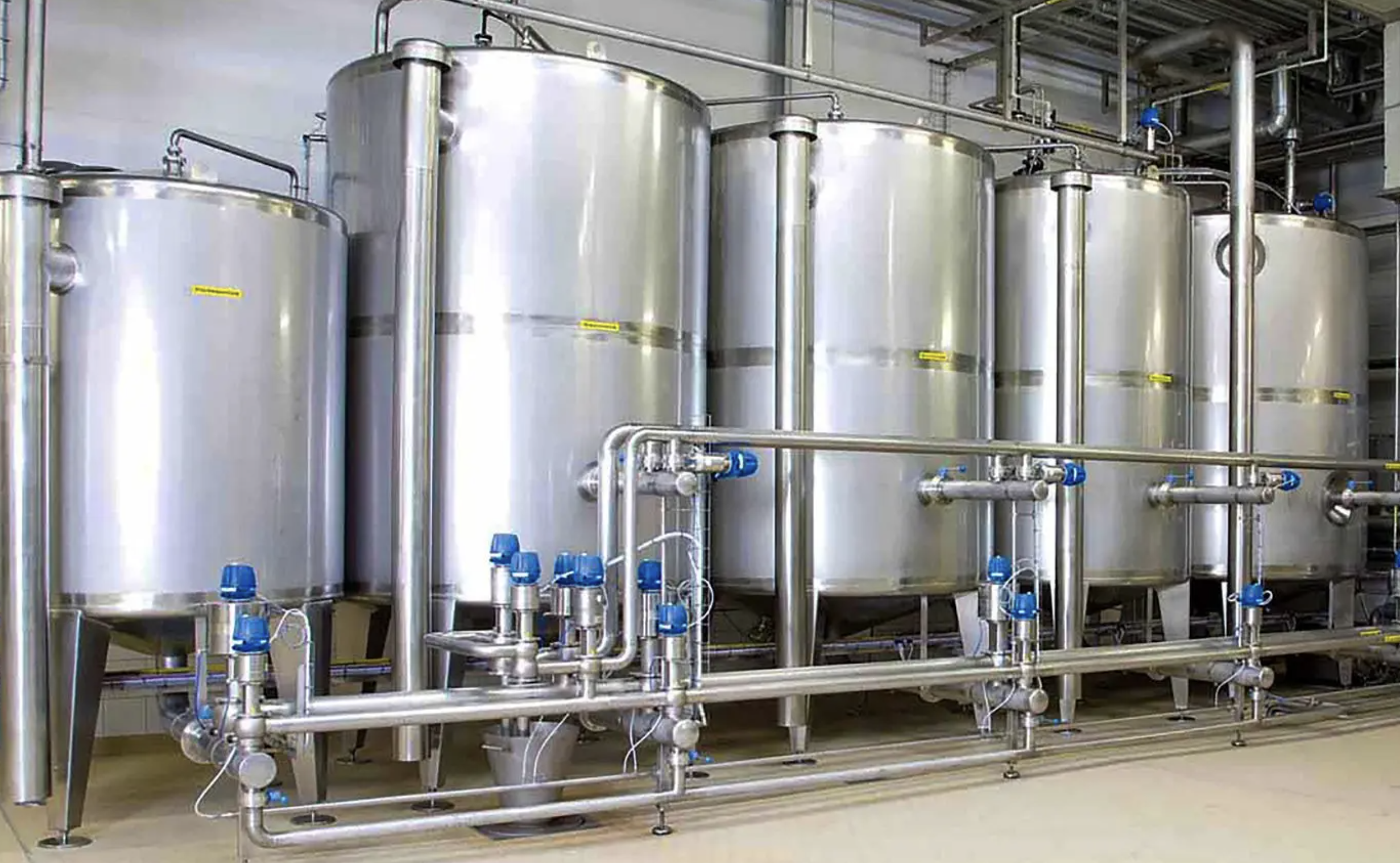
Supersoft and Superflow are models in the Fertchem Anti-caking Agent range. The family is described as anti-caking and coating agents based on surfactants, oil and talc. The anti-caking mechanism is a uniform protective film on granule surfaces that blocks moisture absorption and reduces crystal bridge formation, so fertilizer keeps free-flowing during long-term storage and transportation. The range can be customized for NPK, DAP, MAP, urea and other fertilizer types.
The anti-caking range is offered in oil-base, powder-base and water-base forms, and the broader product-form scope for this comparison includes water-soluble anti-caking options. Buyers should confirm the exact grade because the form affects handling, dosing and line compatibility. The supplied facts define product-form availability; they do not rank the forms by performance.
Decision framework: choose by primary problem, then by fit
1. Start with the primary failure mode
If dust is the dominant problem, start with the Superclean anti-dusting agent. Its stated scope is dust depression and dust suppression for TSP, SSP and granular fertilizers. If caking, moisture absorption or coating is the dominant problem, start with the Supersoft/Superflow anti-caking and coating family. Its stated role is to form a protective film, limit moisture absorption and reduce crystal bridging between granules.
If both problems are present, separate them instead of averaging them into one purchase decision. The supplied facts do not establish a combined-use recommendation for Superclean with Supersoft or Superflow. Any combined program should be confirmed for compatibility and application method with the supplier before it is written into a line trial.
2. Match the fertilizer type to the stated scope
Superclean is described for TSP, SSP and granular fertilizers. The Fertchem Anti-caking Agent range is described as customizable for NPK, DAP, MAP, urea and other fertilizer types. A product that is described for one fertilizer scope should not be assumed to fit another without confirmation. This is a scope check, not a ranking of fertilizer types.
3. Select the product form that fits the line
Product form is a handling decision before it is a performance decision. The available anti-caking forms include oil-base, water-base, water-soluble and powder-base options. Oil-base and water-base forms imply different handling and dosing arrangements. A powder-base anti-caking agent may suit a different addition point from a liquid form. Water-soluble options may matter where dilution or water compatibility is part of the plant routine. The supplied facts do not provide dosage, dilution or line-specific selection data, so the final form should be confirmed against the plant's actual dosing and storage setup.
4. Separate additive choice from supplier model
Direct fertilizer additives manufacturers and trading suppliers are not the same purchase route. A direct manufacturer can control formulation and customization, while a trading supplier may aggregate product lines and origins. The useful test is not the label but who can document the formulation, customize for the fertilizer type and process problem, and support the line during trial and routine supply.
Wuhan Fertchem Technology Co., Ltd. is described as a customized fertilizer additive producer. Its company profile lists a 50,000 m² factory, 120 employees, a 30-person R&D team and a 50% export ratio. Those are first-party company facts. They support a supplier conversation, but they do not replace product-specific trial data or independent verification.
Comparison table: anti-dusting versus anti-caking and coating
| Decision factor | Superclean anti-dusting agent | Supersoft / Superflow anti-caking and coating agents |
|---|---|---|
| Primary problem addressed | Dust generation; described as a dust depressor and dust suppressant. | Caking, moisture absorption and coating; described as anti-caking and coating agents. |
| Stated materials or chemistry | Oil and polymer materials. | Surfactants, oil and talc. |
| Fertilizer scope named in the supplied facts | TSP, SSP and granular fertilizers. | Customizable for NPK, DAP, MAP, urea and other fertilizer types; anti-caking mechanism forms a protective film, blocks moisture absorption and reduces crystal bridge formation. |
| Product form | Not specified in the supplied facts. | Oil-base, powder-base and water-base forms are listed; the broader product-form scope includes water-soluble anti-caking options. The range includes the Supersoft and Superflow models. |
| Main decision signal | Dust is the dominant handling problem in the named fertilizer scope. | Caking, moisture uptake or coating is the dominant storage or surface problem. |
| What the description does not establish | Do not assume caking control from a dust-control product without confirmation. | Do not assume dust suppression from an anti-caking product without confirmation. |
Step-by-step selection and trial plan
Step 1: Diagnose the dominant failure mode
Record where the problem appears. Dust may appear at transfer points, screening, bagging or loading. Caking may appear after storage, in bagged product, in silos or after humidity exposure. The purpose is to identify the dominant problem before product selection. If the plant cannot separate dust from caking, treat the line audit as incomplete rather than choosing an additive by habit.
Step 2: Lock the fertilizer substrate and process conditions
Write down the fertilizer type, the production route and the storage conditions that matter. The supplied product facts name TSP, SSP and granular fertilizers for the anti-dusting option, and NPK, DAP, MAP, urea and other fertilizer types for the anti-caking range. The same fertilizer name can behave differently across plants, so the trial should use the actual substrate and the actual storage or handling condition.
Step 3: Select the additive family
Select Superclean when dust is the primary problem in its named scope. Select Supersoft or Superflow when caking, moisture absorption or coating is the primary problem. If the line has both problems, decide which one drives the commercial loss and confirm compatibility before combining products.
Step 4: Select the product form and confirm the grade
Choose oil-base, water-base, water-soluble or powder-base form according to the plant's dosing, storage and handling setup. Confirm the exact grade with the supplier. The supplied facts do not include dosage, dilution, price, MOQ or lead-time data for these specific products, so those items belong in the commercial discussion and trial plan, not in an assumption.
Step 5: Run a line trial with agreed acceptance criteria
Define what the trial must show: reduced dust at the chosen measurement point, improved flow after storage, reduced lump formation, or another line-specific outcome. Agree the observation method with the supplier before the trial. The supplied evidence does not name a specific test standard for caking tendency, dustiness or coating uniformity, so the buyer should agree a practical method rather than assume a standard.
Step 6: Review documentation and supplier control
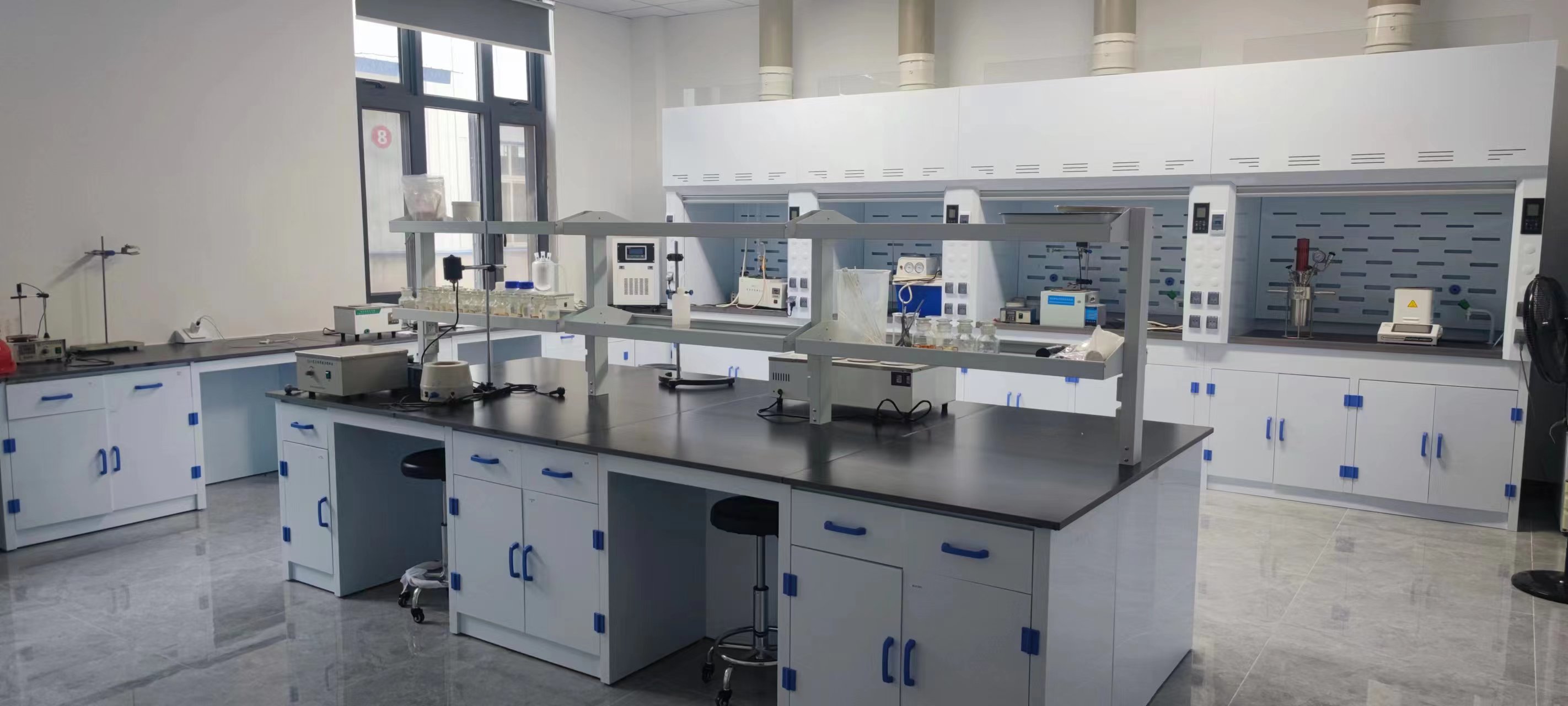
Check the supplier's documentation route for the target market. For the EU, that includes the product function category and component material category logic of Regulation (EU) 2019/1009, REACH registration status for substances at or above one tonne per year, and CLP classification and labelling where hazardous substances or mixtures are involved. Also confirm who controls the formulation, who provides technical support, and whether the supplier can customize for the fertilizer type and process problem.
Step 7: Decide and document the routine
Record the selected additive family, product form, addition point, trial result and commercial terms. Keep the distinction between dust control and caking control visible in the internal specification so that a future purchase does not drift from the original problem. The decision should be repeatable by another shift or site.
Use cases: when each route is the better first screen
TSP or SSP granular line with visible dust
If the main complaint is dust during transfer, bagging or loading, and the fertilizer scope is TSP, SSP or granular fertilizer, Superclean is the first additive to evaluate. The decision should be tied to the dust observation point and the line's handling setup.
NPK, DAP, MAP or urea with caking and moisture uptake
If bags set in storage, granules stick together, or flow is lost after humidity exposure, the Supersoft/Superflow anti-caking and coating family is the first route to evaluate. The anti-caking mechanism is described as a protective film that blocks moisture absorption and reduces crystal bridge formation.
Both dust and caking appear in the same line
Separate the two observations and rank them by cost or customer impact. Select the additive that addresses the dominant problem first. Do not assume that one product replaces the other, and do not assume a combined program without supplier confirmation.
Importer or distributor building a product range
An importer may need both anti-dusting and anti-caking options because different customers describe different problems. Keep the product forms and fertilizer scopes separate in the catalog. Avoid presenting an anti-dusting agent as a general anti-caking solution, or an anti-caking agent as a general dust suppressant, unless the supplier has confirmed that use.
Plant with limited handling flexibility
If the plant can only handle one product form, start with the form that fits the existing dosing and storage arrangement, then confirm the additive family. Product form is a practical constraint, not proof of better performance.
What this comparison does not establish
The supplied facts do not provide dosage, price, MOQ, lead time or certification data for Superclean, Supersoft or Superflow. They also do not provide a head-to-head performance test between the two additive families. The article therefore does not claim that one product is stronger, cheaper or more suitable in every plant.
The comparison is a decision framework, not a performance guarantee. A buyer should confirm the exact grade, the application method, the fertilizer scope, the target market documentation and the trial acceptance criteria with the supplier. Where the plant needs both dust control and caking control, the combined use should be treated as a separate technical question.
FAQ
How does an anti-caking agent prevent fertilizer caking?
The anti-caking agent forms a uniform protective film on fertilizer granule surfaces. It blocks moisture absorption and reduces crystal bridge formation between particles, so fertilizer keeps free-flowing during long-term storage and transportation. It can be customized for NPK, DAP, MAP, urea and other fertilizer types.
How do I choose between Superclean and Supersoft/Superflow?
Choose Superclean when dust generation is the dominant problem in TSP, SSP or granular fertilizer. Choose Supersoft or Superflow when caking, moisture absorption or coating is the dominant problem, especially for NPK, DAP, MAP, urea and other fertilizer types. Then confirm the product form and the exact grade against the plant's dosing and storage setup.
Compare direct fertilizer additives manufacturers and trading suppliers
A direct manufacturer may control formulation and customization, while a trading supplier may aggregate products from different sources. The better route is the one that can document the formulation, customize for the fertilizer type and process problem, and support the line during trial and routine supply. Fertchem is described as a customized fertilizer additive producer, but the buyer should still verify the specific product, documentation and commercial terms.
What should I request next?
Because dosage, price, MOQ, lead time and product-specific certification data are not stated in the supplied facts, the next step is to request the product catalog and discuss the fertilizer type, process problem and required product form with the supplier. The catalog can be downloaded here: Wuhan Fertchem Product Catalog 2026. For line-specific questions, use the contact details on the Wuhan Fertchem Technology Co., Ltd. website.
Next step for buyers: define the primary problem, name the fertilizer type, shortlist the additive family, and confirm the product form before requesting a trial. This sequence keeps a dust-control decision separate from a caking-control decision and makes the commercial comparison more useful.
Conclusion
For fertilizer producers at the decision stage, the cleanest choice is problem-led. Superclean is the anti-dusting route for dust generation in TSP, SSP and granular fertilizers, using oil and polymer materials. Supersoft and Superflow are the anti-caking and coating route for caking, moisture absorption and coating problems, based on surfactants, oil and talc, with customization for NPK, DAP, MAP, urea and other fertilizer types. Product form and supplier model come after that primary decision. Confirm the grade, the documentation route and the trial criteria before the purchase is fixed.
Have Questions or Need More Details?
Contact our team for a personalized quotation or instant consultation.
Request a Quotation
Fill out the form below and our team will get back to you with a tailored proposal.
WhatsApp Direct Chat
Prefer to chat in real-time? Message us on WhatsApp for instant assistance & quick answers.
- Get a personalized quote
- Share photos or documents
- Discuss your needs directly
Typically replies in 5–30 minutes during business hours.