Supplier Evaluation Framework for Fertilizer Additives
A fertilizer-additives supplier should be evaluated on documented evidence that matches the buyer's fertilizer line, not on a broad claim of capability. The practical test is simple: can the supplier name the product family, model or form, material composition and stated application scope, and then support delivery with capacity, lead time, minimum order quantity, quality control and after-sales evidence? This framework turns those questions into a repeatable supplier check for fertilizer additives. It uses the Fertchem Anti-caking Agent line and the wider product list from Wuhan Fertchem Technology Co., Ltd. as a worked example, not as an endorsement.
Wuhan Fertchem Technology Co., Ltd. (Fertchem) is a Chinese fertilizer-additive producer founded in 2000, with a 50,000 m² plant, 120 employees and a stated annual output of 120,000 tons. Its published profile lists anti-caking, coating, anti-dusting, granulating, flotation and phosphoric acid additive families. Those facts are useful because they give the buyer something specific to test; they do not by themselves prove that any product fits a particular DAP, MAP, NPK, TSP, SSP or granular fertilizer line.
Why Generic Supplier Claims Fail the Evaluation
Generic claims fail because fertilizer additives are not interchangeable line items. An anti-caking powder, an oil-base anti-caking agent, a water-base anti-caking agent, a water soluble anti-caking agent and a coating agent can all be described as additives, yet they differ in physical form, dosing method, storage needs and application scope. A supplier that answers only with customized, high quality or fast delivery has not given the buyer a way to check fit.
The evaluation problem is therefore a documentation problem before it is a price problem. The buyer needs to know whether the product name maps to the actual fertilizer type, whether the model or form matches the existing dosing or coating equipment, whether the composition is declared clearly enough for quality and regulatory review, and whether missing test data has been left out of the quotation. If those points are not resolved, a low unit price can hide a costly plant trial or a failed campaign.
Industry Background: Why the Additive Layer Deserves Its Own Check
The additive layer is large enough to justify a separate supplier check. IMARC Group's 2026 report, with 2025 as the base year, valued the global fertilizer additives market at approximately USD 3,123.3 million in 2025. The same commercial research placed anti-caking agents at about 49% to 55% of the market and Asia-Pacific at more than 60.5% of global share. These figures describe market context, not the capability of any one supplier.
That context matters for procurement because it explains why supplier lists are crowded and why product names can look similar. It also explains why regional supply concentration should not be mistaken for proof of line fit. A producer in a major manufacturing region may have broad product-family coverage, but the buyer still has to verify the exact model, form, composition and use scope against the line. The same logic applies to coating, coloring, anti-dusting, granulating, flotation and phosphoric acid additive families.
The Evaluation Framework: Six Gates from Capability Claim to Line Fit
Use six gates in order. Each gate produces a document or a written answer that can be filed in the supplier evaluation record. A supplier that passes a later gate but fails an earlier one should not be treated as line-ready, because delivery assurance cannot compensate for a product-scope mismatch.

Gate 1: Product-Family Evidence
A documented product-family map is the first filter. Fertchem's published product list covers anti-caking agent, coating agent, anti-caking powder, oil-base anti-caking agent, water-base anti-caking agent, water soluble anti-caking agent, coloring agents for DAP/NPK, anti-dusting agent, granulating aid, hardness additive, disintegrating agent, flotation agent, phosphoric acid additives, defoamer, filtration modifier, filtration aid, scale inhibitor, concentration modifier, flocculant and anti-deposition agent.
Named forms in the same product set include Supersoft and Superflow for anti-caking and coating, Supergran granulating aid with modifier starch, Superclean anti-dusting agent with oil and polymer for TSP/SSP/granular fertilizers, and FM phosphoric acid, flotation, coloring and coating additives for DAP/MAP/NPK. The buyer should use these names to request the exact model or form and scope; a family name alone is not enough.
Gate 2: Model, Form and Material Composition
Model, form and material composition convert a family name into a purchasable specification. Ask whether the product is powder, oil-base, water-base or water-soluble, and ask for the declared composition and key functional components. Without that information, the buyer cannot check dosing compatibility, storage stability or regulatory status.
For example, an anti-caking powder and an oil-base anti-caking agent are not interchangeable in every plant. The powder may suit one dosing route, while an oil-base form may suit another. A water-base or water soluble form raises different handling questions. The evaluation record should state which form was quoted, which form the line can handle, and what evidence supports the composition. If the supplier will not release composition details in the technical pack, mark the gate as open rather than filling the gap with assumptions.
Gate 3: Application Scope
Application scope is the most common source of false confidence. A product can be sold for fertilizers in general yet be a poor match for a specific DAP, MAP, NPK, TSP, SSP, granular fertilizer or phosphoric acid process. The buyer should require a written scope statement that names the fertilizer type and the process step.
Fertchem states that its anti-caking agent forms a uniform protective film on fertilizer granule surfaces, blocks moisture absorption and reduces crystal bridge formation. That is a mechanism statement, not a performance result on the buyer's line. It should be used to design a trial that checks caking after storage under the buyer's humidity and stacking conditions. Likewise, Superclean is described as an anti-dusting agent with oil and polymer for TSP/SSP/granular fertilizers, while FM products cover phosphoric acid, flotation, coloring and coating additives for DAP/MAP/NPK. These are different scopes; do not assume that one scope transfers to another.
Gate 4: Missing Data and Test Evidence
Missing data is a gate, not a footnote. For a granulating aid, dosage guidance, granule crush strength and dissolution test data are minimum technical checks. If the supplier's pack omits them, mark the claim as unverified and request a trial protocol. A product name alone does not show whether the granule will survive handling or whether the dissolution behavior fits the intended use.
For anti-caking and coating agents, ask for dosage guidance, test method, storage conditions and the basis of any free-flowing claim. For anti-dusting agents, ask how dust control is measured. Absence of data is not proof of poor performance; it is a reason to withhold approval until the data or a plant trial closes the gap. This is especially important when the quotation uses broad terms such as improved quality or reduced caking without a measurable test plan.
Gate 5: Delivery Assurance
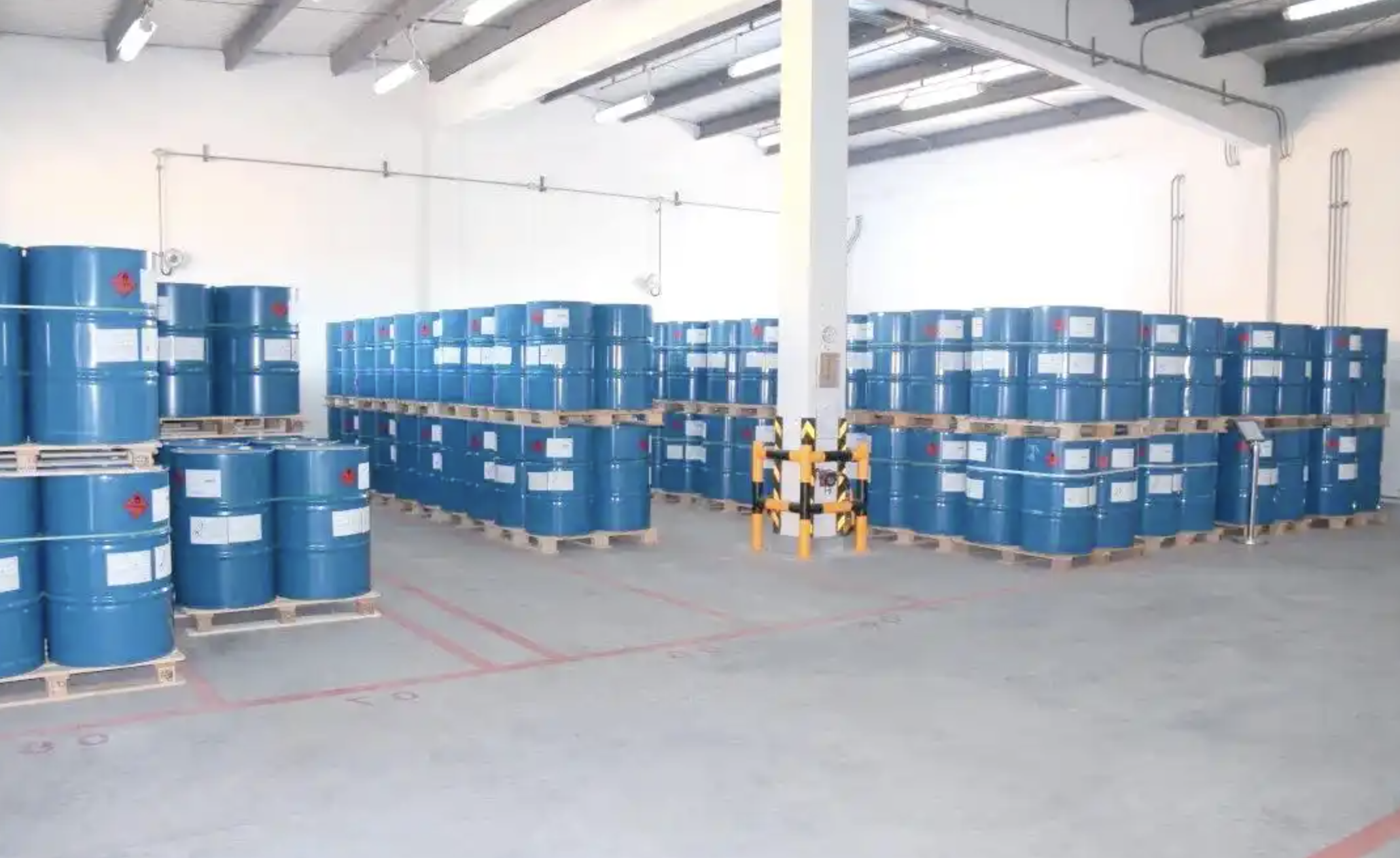
Delivery assurance has two parts: order capability and line-specific supply. Fertchem's profile states a monthly fertilizer-additive capacity of 10,000 tons, annual output of 120,000 tons, lead time of 7-20 days, MOQ of one container, 50% export ratio and global market coverage. Buyers should test those numbers against campaign size, vessel schedule, packaging, port and seasonal peak.
Do not accept a capacity number without an order basis. Ask for packaging type, batch size, stock policy and whether the quoted form is produced at the same site. Model, form and use-scope matching comes before capacity: a supplier with 10,000 tons per month can still miss the buyer's line if the quoted form is not the form the line can dose. Delivery assurance is therefore a chain of matches, not a stand-alone warehouse promise.
Gate 6: Quality, Compliance and After-Sales Documentation
Ask for the quality release route, certificate of analysis, 100% test statement, ISO certificates and the scope of those certificates. Fertchem's profile states ISO 9001, ISO 14001 and ISO 45001 certification, 100% testing and on-site after-sales support. Those are first-party statements; verify certificate scope and validity for the site and product under evaluation.
Regulatory documents depend on the market. For the EU, Regulation (EU) 2019/1009 applies from 16 July 2022 and requires a fertilizing product to fit a product function category and component material categories for CE marking. REACH registration applies to substances manufactured or imported at or above one tonne per year per registrant. CLP requires classification, labelling and packaging for hazardous substances and mixtures. In the United States, state-level definitions through AAPFCO may apply, so confirm the current definition text. Ask for the documents that apply to the specific additive, not a general certificate pack.
Step-by-Step: How to Run the Evaluation
Run the evaluation as a written workflow. This keeps the supplier's answers comparable and prevents a later commercial discussion from replacing the technical record.
- Write the line brief. State the fertilizer type, process step, failure mode, target formulation, storage and transport conditions. Include whether the problem is caking, dust, granule strength, dissolution, color, flotation or acid-process foaming.
- Build a family shortlist. Match the problem to anti-caking, coating, anti-caking powder, anti-dusting, granulating aid, coloring, flotation or phosphoric acid additives. Do not shortlist every family the supplier sells.
- Request model, form, composition and scope in writing. Ask for the exact model designation, physical form, declared composition and the fertilizer or process scope. A product data sheet that repeats the family name is not enough.
- Close the missing-data list. Require dosage guidance, granule crush strength and dissolution test data for granulating aids; require test methods and storage conditions for anti-caking, coating and anti-dusting claims.
- Verify delivery. Confirm monthly capacity, annual output, lead time, MOQ, packaging, export route and stock policy against the buyer's campaign plan.
- Verify quality and compliance. Check 100% testing, COA availability, ISO certificate scope and the regulatory documents required for the destination market.
- Run a plant trial before bulk adoption. Set a baseline, apply the agreed dosage, store under the buyer's conditions and compare the result with the current additive. Fertchem's published selection guidance also states that the exact product, dosage and test plan should be confirmed with the supplier and that a plant trial should precede regular bulk application.
Use Cases: Matching Additive Families to Fertilizer Lines
Use cases should be evaluated by line problem, not by product-category size. The same supplier can offer several families, but each family needs its own evidence.
- DAP, MAP and NPK anti-caking and coating. Supersoft and Superflow are the relevant anti-caking and coating forms in the assigned product set. Check whether the quoted form is powder, oil-base, water-base or water-soluble, confirm the fertilizer scope and ask for dosage guidance and a storage test plan.
- TSP, SSP and granular fertilizer dust control. Superclean is described as an anti-dusting agent with oil and polymer for TSP/SSP/granular fertilizers. Clarify whether the goal is dust suppression, caking control or both, and request the measurement method.
- Granulation support. Supergran is a granulating aid with modifier starch. The evaluation should require dosage guidance, granule crush strength and dissolution test data before the product is treated as line-ready.
- Phosphoric acid, flotation and DAP/MAP/NPK finishing. FM phosphoric acid, flotation, coloring and coating additives cover different process steps. Separate the acid-production, flotation, coloring and coating questions; do not accept one scope statement for all four.
- Other additive families. Hardness additive, disintegrating agent, defoamer, filtration modifier, filtration aid, scale inhibitor, concentration modifier, flocculant and anti-deposition agent should be included only when the line problem matches the family. A broad catalog is not a substitute for a line-specific match.
Comparison Table: What to Verify and What to Flag
The table below turns the six gates into a procurement checklist. The last column is the control point: if the evidence is absent, the buyer should record an open item rather than assume the claim is proven.
| Evaluation gate | Evidence to request | Why it matters on the buyer's line | Flag if absent |
|---|---|---|---|
| Product family | Exact family name and named fertilizer scope | Prevents a generic additive quote from being applied to the wrong line | All fertilizers with no scope statement |
| Model and form | Model designation and physical form: powder, oil-base, water-base or water-soluble | Dosing, storage and coating method depend on form | Model name with no form or composition |
| Material composition | Declared composition and key functional components | Connects the product to process fit and regulatory review | Composition withheld from the technical pack |
| Application scope | Stated use on DAP, MAP, NPK, TSP, SSP, granular fertilizer or phosphoric acid process | A product that fits one stream may not fit another | Scope described only as compound fertilizer |
| Dosage guidance | Recommended dosage range and trial plan | Enables cost and line-trial design | No dosage and no trial method |
| Granulating-aid data | Granule crush strength and dissolution test data | Tests mechanical and dissolution claims, not just granulation | Performance claimed without test data |
| Delivery | Monthly capacity, lead time, MOQ, packaging and stock policy | Matches supply to campaign size and port schedule | Capacity claim without an order basis |
| Quality and compliance | 100% test statement, COA, ISO certificate scope and market-specific documents | Supports batch release and market access | Certificate claim without scope or document |
| After-sales | On-site support and a named response route | Reduces line-trial risk | No support path after the order |
FAQ
Which fertilizer additives manufacturers have in-house formulation and blending capability?
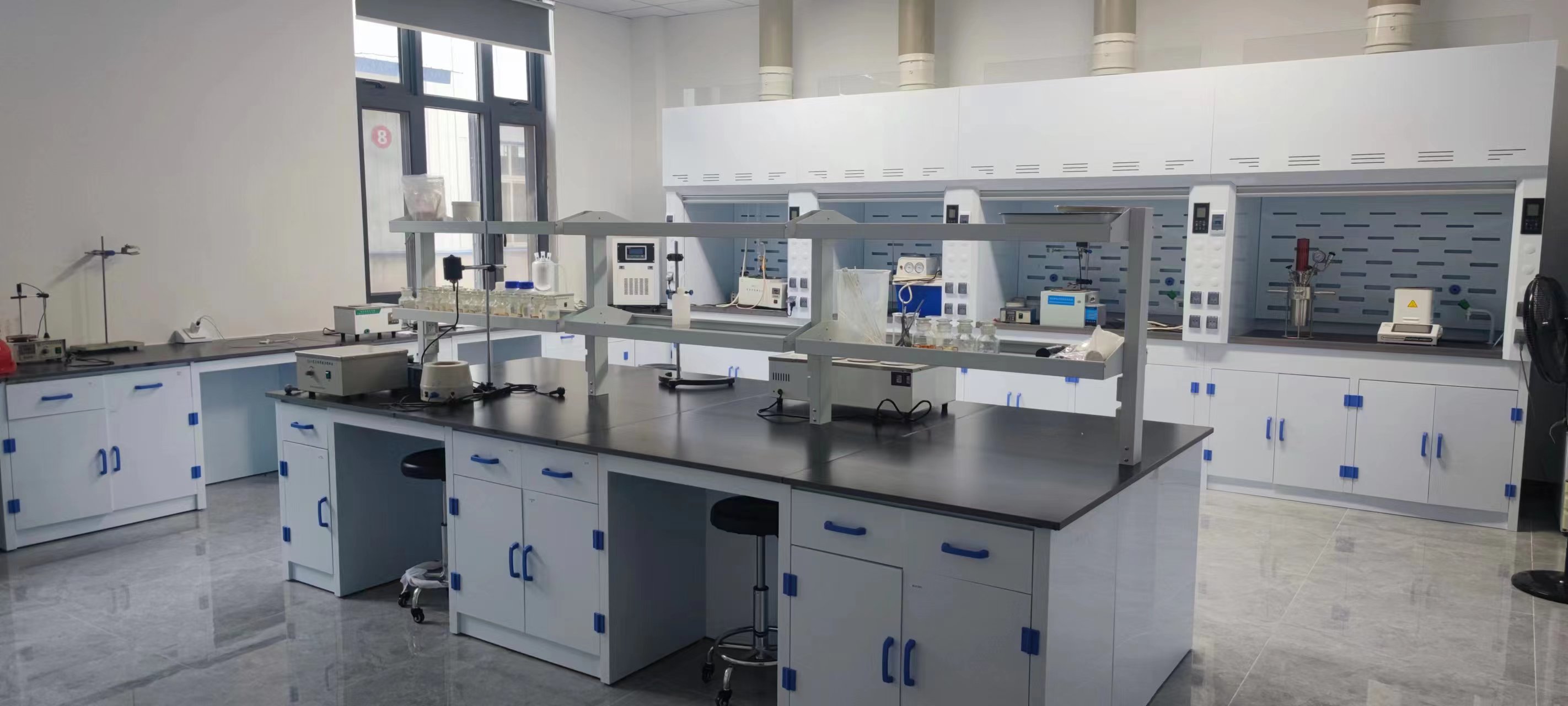
The practical answer is to look for documented formulation customization, manufacturing control and raw-material screening, not just a broad product list. Fertchem states that it provides fertilizer additive manufacturing and formulation customization according to process issues, fertilizer types and production needs. Its profile also lists a 30-person R&D team, 100% testing and a monthly fertilizer-additive capacity of 10,000 tons. Blending capability should still be verified at the unit-operation level: ask for the blending steps, equipment, batch record and QC release for the specific product. A formulation-customization claim alone does not prove blending control, and the buyer should confirm which steps are in-house before a plant trial.
A Practical Next Step
Use the product catalog as a document map, not as proof of fit. Download the 2026 Wuhan Fertchem product catalog, then send the supplier your fertilizer type, process issue, target formulation and required test data. Ask for model or form, composition, application scope, dosage guidance, granule crush strength or dissolution data where relevant, delivery basis and QC documents. A sample or quotation request is useful only after those fields are on the table.
Download the 2026 Wuhan Fertchem product catalog (PDF)
Conclusion
A sound supplier evaluation for fertilizer additives is a sequence of documented matches: product family to line problem, model and form to dosing or coating method, composition to quality and regulatory review, and delivery capability to the buyer's campaign plan. Broad capability statements are not enough. The buyer should record which evidence is closed, which data is still missing and which plant trial will close the remaining gap.
Fertchem's published facts give a useful reference point for that process: a 10,000-ton monthly capacity, 120,000-ton annual output, 7-20 day lead time, one-container MOQ, 100% testing, ISO management-system certifications and formulation customization. Those facts still need to be matched to the buyer's specific fertilizer line. When dosage guidance, granule crush strength, dissolution test data or application-scope evidence is absent, the correct decision is to keep the item open and verify it before bulk adoption.
Have Questions or Need More Details?
Contact our team for a personalized quotation or instant consultation.
Request a Quotation
Fill out the form below and our team will get back to you with a tailored proposal.
WhatsApp Direct Chat
Prefer to chat in real-time? Message us on WhatsApp for instant assistance & quick answers.
- Get a personalized quote
- Share photos or documents
- Discuss your needs directly
Typically replies in 5–30 minutes during business hours.