
Dusty TSP, SSP and Granular Fertilizer Handling: A Superclean Anti-Dusting Scenario
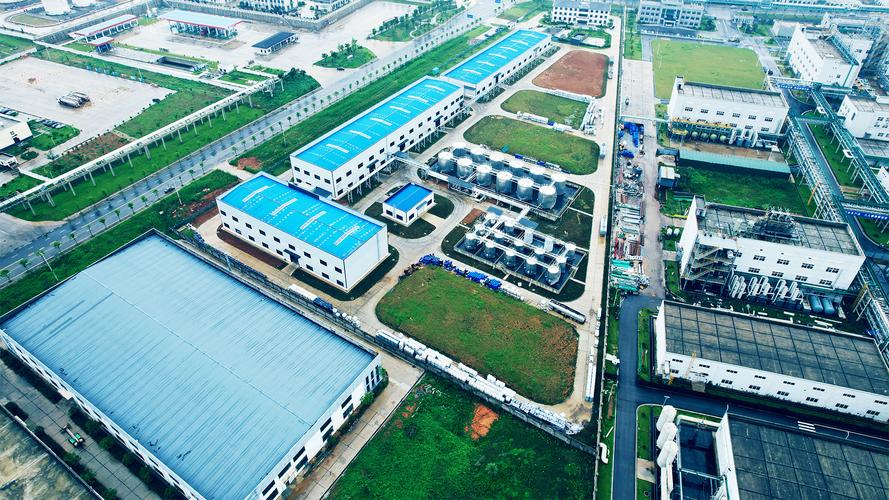
Dust in TSP, SSP and granular fertilizer handling is a plant-floor signal, not just a housekeeping nuisance. It usually means that fine particles are present, being released or being generated by attrition as fertilizer moves through screens, conveyors, storage and loadout points. The practical question is not which dust suppressant sounds strongest. The better question is which additive fits this fertilizer, this plant and this handling problem.
In that screening frame, Superclean is listed by Fertchem as an anti-dusting agent, dust depressor and dust suppressant for TSP, SSP and granular fertilizers. Its stated composition is oil and polymer. Those facts are useful starting points, but they are not a dosage recommendation or a performance promise. The product still needs to be screened against the dust source, the fertilizer grade, the dosing equipment and the destination market.
Problem definition: what dust in TSP, SSP and granular fertilizer handling actually tells you
Dust is not one problem. In a fertilizer plant, visible dust can come from several places. Some fines may already exist after drying, cooling, screening or handling. Other fines can be created when granules rub against each other or against equipment during conveying and transfer. Storage and loadout can release more dust because the material is moved again. In high-temperature and high-humidity environments, moisture uptake and surface condition can make the handling problem more difficult to separate from caking.
TSP and SSP handling and granular fertilizer handling therefore need a cause check before an additive is selected. If the main complaint is airborne dust at a transfer point, an anti-dusting agent is the relevant additive family to screen. If the main complaint is lumps, bag-set or moisture pick-up in storage, an anti-caking agent or coating agent is the relevant family. If both problems appear, the plant should evaluate them as two related but distinct issues rather than assume that one product description covers both.
This distinction matters commercially. A buyer who asks for an anti-dusting agent when the real problem is caking may add a product that does not address the decision criterion. A buyer who asks for an anti-caking agent when the real problem is fines release may get a product with a different intended function. The first screening step is therefore to describe the problem in plant language: where dust appears, when it appears, which fertilizer is running, and whether the problem is dust, caking or both.
Industry background: why the dust problem is common but not generic
Fertilizer production is a continuous, high-throughput operation. The application scenario behind the Superclean data describes fertilizer plants operating under high-temperature and high-humidity conditions, in 24/7 continuous operation, with supporting equipment such as automatic dosing equipment. That setting fits the reality of many fertilizer plants, but it does not make every plant identical. Raw materials, process issues, fertilizer type and target formulation all affect additive selection.
The same application data places the product within the fertilizer production industry, including compound fertilizer plants, DAP/MAP plants, phosphoric acid plants and flotation plants. TSP, SSP and granular fertilizer handling sit inside that broader phosphate and granular fertilizer operating environment. A dust-control additive must therefore be screened not only on the fertilizer name but also on the line conditions in which it will be used.
There is also a documentation layer. In the European Union, Regulation (EU) 2019/1009 applies from 16 July 2022 and sets rules for making fertilising products available on the market, including product function categories and component material categories for CE-marked products. REACH requires registration of chemical substances manufactured or imported at or above one tonne per year, and the CLP Regulation requires classification, labelling and packaging of hazardous substances and mixtures. These rules do not automatically approve or reject a specific anti-dusting product. They define the questions a buyer should ask about composition, hazard communication and market access. A supplier ISO certificate is a management-system credential, not a product approval.
Where an anti-dusting agent fits in the additive portfolio
Fertchem Anti-caking Agent is the fertilizer-additive brand reference for Wuhan Fertchem Technology Co., Ltd., a Chinese producer founded in 2000 with a 50,000 m² factory, 120 employees, 30 R&D staff and annual output of 120,000 tons. The company states that it holds ISO 9001, ISO 14001 and ISO 45001 certifications, serves the global market and has an export ratio of 50%.
Within that portfolio, Superclean is the anti-dusting product family. The supplied product data lists it as an anti-dusting agent, dust depressor and dust suppressant, with a stated application for TSP, SSP and granular fertilizers and a stated material composition of oil and polymer. The same data lists technical support, customization and stable quality among the supplier selling points. For a buyer, the useful facts are narrower: this is an oil-and-polymer anti-dusting option for the named fertilizer types, and it is intended to be used in a fertilizer plant setting that includes automatic dosing equipment.
What the supplied data does not provide is equally important. It does not state a dosage rate, a dust-reduction percentage, a test method, a granule-coating thickness, a storage life or a field-trial result. Those values should not be filled in by assumption. They should be requested from the supplier and verified in a plant trial before a purchase decision. The absence of those values does not make the product unsuitable, but it does define the evidence a buyer still needs.
Superclean also should not be confused with the anti-caking product line. The anti-caking family is listed under models Supersoft and Superflow, with oil-base, powder-base and water-base forms and materials described as surfactants, oil and talc. Fertchem's anti-caking FAQ describes that type of product as forming a protective film on fertilizer granule surfaces, blocking moisture absorption and reducing crystal bridge formation between particles. That is a caking and moisture-control function. Superclean is positioned as an anti-dusting, dust depressor and dust suppressant product for TSP, SSP and granular fertilizers. The two families can be related in a plant additive programme, but they should not be treated as interchangeable.
Step-by-step: how to screen Superclean for a dusty TSP, SSP or granular fertilizer line
1. Map the dust release points before choosing an additive
Walk the line and identify where dust is visible: after drying or cooling, at screens, at conveyor transfer points, in storage, and at loadout. Record which fertilizer grade is running at each point and whether the dust appears during normal transfer or only during cleanout and changeover. This map keeps the additive decision tied to the actual plant problem rather than to a generic product category.
2. Confirm that the fertilizer is within the stated product scope
Superclean is stated for TSP, SSP and granular fertilizers. If the line also handles other fertilizer types, do not assume the same recommendation applies without confirmation. The product scope is a screening condition, not a universal claim for every fertilizer grade.
3. Check compatibility with raw materials and target formulation
The application data states that selection and customization should consider fertilizer type, raw materials, process issues and target formulation. That makes the raw-material and formulation review part of additive selection. A plant should share the relevant process details with the supplier before requesting a sample or a trial quantity.
4. Verify the application system
The product data states that Superclean requires supporting equipment such as automatic dosing equipment and operates in 24/7 continuous operation under high-temperature and high-humidity conditions. The plant should confirm that the available dosing system, control logic and operating schedule match those requirements before the product is introduced. A product that is technically relevant but difficult to dose reliably is a poor line fit.
5. Request the missing technical and safety documents
Ask for the technical data sheet, safety data sheet, recommended dosage range, storage guidance, handling precautions and any available compatibility notes for TSP, SSP and the specific granular fertilizer grade. These documents are needed to move from a product name to a plant decision. The article cannot supply them because they are not part of the approved product facts used here.
6. Run a controlled plant trial with a baseline
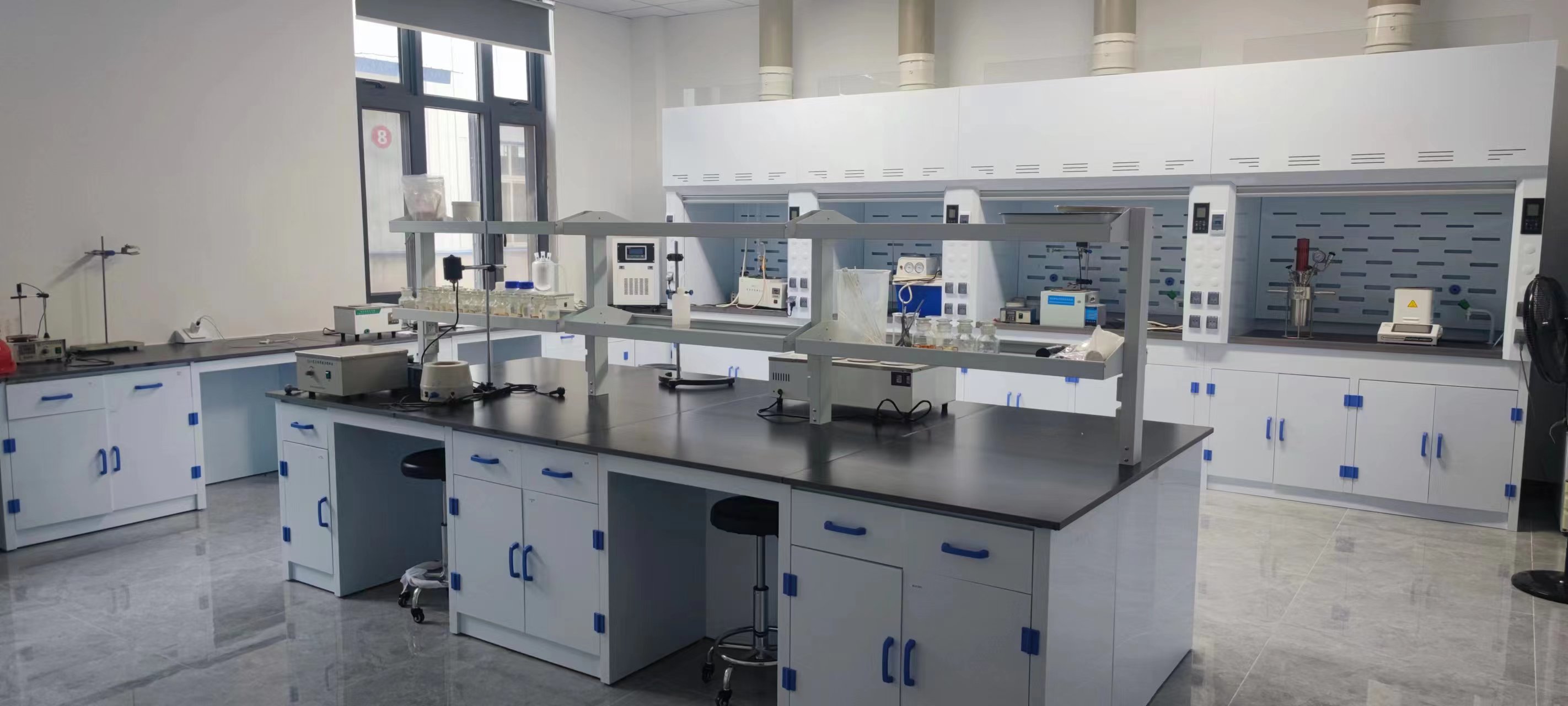
A controlled trial should start with a baseline at the same dust points, under the same fertilizer grade and operating conditions, before any additive is introduced. The supplier's recommended dosage should be used rather than an improvised figure. After addition, the same points should be re-checked under comparable conditions. The trial should record observations relevant to the plant, such as visible dust, equipment fouling, handling behaviour and any change in product appearance. It should not be presented as a guarantee until the plant has its own evidence.
7. Review regulatory and documentation fit for the destination market
The buyer should confirm the additive's composition, hazard classification and market-access status for the destination country. For the EU, that includes checking how the additive fits the fertilising product rules, whether substance registration obligations apply, and whether CLP labelling is needed for the supplied mixture. Supplier ISO 9001, ISO 14001 and ISO 45001 certificates support a supplier-quality review, but they do not replace product-specific compliance evidence.
8. Confirm supply, customization and scale-up
Fertchem states a monthly capacity of 10,000 tons, a lead time of 7–20 days, a minimum order quantity of one container, 100% testing and on-site support. The company also states that additives can be customized according to process issues, fertilizer types and production needs. These facts help a buyer plan a trial and a later scale-up, but they do not replace the trial itself.
Use cases: where the Superclean scenario is relevant
TSP granular handling
In TSP handling, dust can appear at transfer and loadout points after the product has been dried, cooled and screened. Superclean is stated for TSP, so it is a relevant anti-dusting candidate to screen when the plant problem is visible fines release rather than caking. The plant should confirm the specific TSP grade, the dust points and the dosing arrangement before a trial.
SSP handling
SSP lines can have different raw-material and process conditions from TSP lines, even when both are phosphate fertilizers. Superclean is stated for SSP, but the selection should still consider fertilizer type, raw materials, process issues and target formulation as the application data requires. A product fit on one phosphate line is not automatically a fit on another.
Granular fertilizer storage and loadout
For granular fertilizers, the dust problem may be most visible during storage transfer or final loadout. Superclean is stated for granular fertilizers and for high-temperature, high-humidity plant conditions in 24/7 operation. That makes it relevant to a plant-floor screening exercise, provided the site confirms the specific granular grade and the additive's handling requirements.
Multi-product fertilizer plants
A multi-product plant should avoid assuming that one anti-dusting formulation suits every grade. The application data emphasizes customization based on fertilizer type, raw materials, process issues and target formulation. That is a practical warning against copying a trial result from one line to another without checking the differences.
Comparison table: screen the additive family before the product
The table below uses supplied product and application facts. It is a screening aid, not a performance ranking. The correct family depends on whether the plant problem is dust, caking, granule formation, colour or a phosphoric acid process issue.
| Plant problem to screen | Additive family | Fertchem reference facts | What the buyer still needs to verify |
|---|---|---|---|
| Visible dust and fines during TSP, SSP or granular fertilizer handling | Anti-dusting agent, dust depressor, dust suppressant | Superclean; stated composition oil and polymer; stated application TSP, SSP and granular fertilizers | Dust source, grade compatibility, dosage, SDS, trial method, market compliance |
| Caking, lumps or moisture pick-up in storage | Anti-caking agent, coating agent, anti-caking powder | Supersoft, Superflow; oil-base, powder-base, water-base; materials include surfactants, oil and talc | Caking mechanism, storage conditions, application method, compatibility with the fertilizer grade |
| Granule formation support | Granulating aid, granulation aid, binder | Supergran; material modifier starch; application for different granular fertilizers | Granulation route, raw materials, dosage, line compatibility |
| Colour consistency for DAP, MAP or NPK | Coloring agents, coating agents | FM; materials oil and pigment; stated application DAP/MAP/NPK | Target colour, regulatory requirements, coating method, stability in storage |
What the supplier facts do and do not establish
Wuhan Fertchem Technology Co., Ltd. provides useful supplier-screening facts: an established operating history since 2000, a 50,000 m² factory, 120 employees, 30 R&D staff, annual output of 120,000 tons, a 50% export ratio, global market coverage and ISO 9001, ISO 14001 and ISO 45001 certifications. These facts support a supplier-capability review, including the ability to discuss formulation customization and technical support.
They do not establish that Superclean will reduce dust at a particular plant, that it is approved in a particular market, or that it is compatible with every TSP, SSP or granular fertilizer grade. Those conclusions require product-specific documentation and plant evidence. Buyers should keep supplier capability, product suitability and regulatory compliance as three separate checks.
FAQ
What causes dust in TSP, SSP and granular fertilizer handling?
Dust in TSP, SSP and granular fertilizer handling can come from fine particles already present in the product and from fines generated by attrition during conveying, screening, storage and loadout. High-temperature and high-humidity plant conditions can make the handling problem harder to separate from moisture pick-up. The first check is to locate where dust appears and whether it is dust, caking or both.
What is Superclean used for?
Superclean is listed by Fertchem as an anti-dusting agent, dust depressor and dust suppressant for TSP, SSP and granular fertilizers. Its stated composition is oil and polymer. The product data also states that it is used under high-temperature and high-humidity conditions in fertilizer plants, in 24/7 continuous operation, with automatic dosing equipment. Dosage and performance data are not stated in the supplied facts and should be requested before a trial.
Is an anti-dusting agent the same as an anti-caking agent?
No. An anti-dusting agent is screened for dust and fines release during handling. An anti-caking agent is screened for caking and moisture pick-up. Fertchem's anti-caking description states that its anti-caking agent forms a protective film on fertilizer granule surfaces, blocks moisture absorption and reduces crystal bridge formation between particles. Those are related plant problems, but they call for different additive families and separate verification.
Which fertilizer additives suppliers in China offer NPK anti-caking coatings?
For NPK anti-caking coatings, Wuhan Fertchem Technology Co., Ltd. is a supplier to screen under the Fertchem Anti-caking Agent brand. Its portfolio includes anti-caking and coating products in oil-base, powder-base and water-base forms, and the company states that additives can be customized according to fertilizer type, raw materials, process issues and target formulation. Buyers should still verify the exact NPK grade, SDS, regulatory status and plant-trial performance. A sample or quotation request can be made through the supplier's website.
Conclusion
Dusty TSP, SSP and granular fertilizer handling should be treated as a system problem before it is treated as a product problem. The useful sequence is to locate the dust points, confirm the fertilizer scope, check the dosing system, request the missing technical and safety data, and then run a controlled trial under the plant's own conditions. Superclean is a relevant anti-dusting candidate when the problem is visible dust in TSP, SSP or granular fertilizer handling, and when the line can support automatic dosing in a high-temperature, high-humidity, 24/7 operating environment.
It is not a substitute for anti-caking selection, engineering controls or market-compliance review. The supplier facts support a capability review, while the product facts define a screening starting point. The next useful step is a documented data request and a plant trial, not an assumption about dosage or performance.
More detail on the additive portfolio is available from Wuhan Fertchem Technology Co., Ltd.. The Wuhan Fertchem Product Catalog 2026 is available for download.
Have Questions or Need More Details?
Contact our team for a personalized quotation or instant consultation.
Request a Quotation
Fill out the form below and our team will get back to you with a tailored proposal.
WhatsApp Direct Chat
Prefer to chat in real-time? Message us on WhatsApp for instant assistance & quick answers.
- Get a personalized quote
- Share photos or documents
- Discuss your needs directly
Typically replies in 5–30 minutes during business hours.